

laminated fluted glass
Understanding Thread Ring Gages 6H and 6G A Comprehensive Overview Thread ring gages are essential tools in the manufacturing and engineering sectors, particularly for ensuring the accuracy and quality of threaded components. Among the various classifications, the 6H and 6G thread ring gages stand out due to their precision and applicability in different contexts. What Are Thread Ring Gages? Thread ring gages are specialized measuring instruments used to check the external threads of a workpiece. They help determine whether the threads conform to specified dimensions and tolerances. Typically, these gages come in two primary forms internal and external. For external threads, ring gages are used, while plug gages are used for internal threads. Understanding 6H and 6G Classes The designation of thread ring gages includes a number followed by a letter, where the number indicates the tolerance class and the letter indicates the type of thread form. In the case of 6H and 6G - 6H The 'H' indicates a high degree of fit and is commonly associated with external threads. It allows for a small allowance between the gage and the workpiece, which facilitates ease of fitment. The 6H class is typically used for threads that are less critical in terms of load-bearing and precision but still require a reliable performance. thread ring gauge 6h and 6g - 6G On the other hand, the 'G' refers to a general-purpose fit suitable for various applications. The 6G class provides a tighter tolerance than the 6H class and is used for more demanding applications where precision is paramount, such as in hydraulic fittings or high-stress mechanical assemblies. The 6G gage ensures that the threads are not only dimensionally correct but also functional under stress. Applications and Importance The choice between a 6H and 6G thread ring gage depends on the requirements of the specific application. Industries ranging from aerospace to automotive and machinery rely heavily on these gages to maintain high standards of quality control. Accurate thread measurements can prevent costly failures, ensuring that components meet safety and performance specifications. Additionally, the use of proper gaging helps streamline production processes, reducing the time spent on inspections and reworks. With automatic thread measuring systems increasingly being incorporated into manufacturing lines, the role of thread ring gages remains crucial in maintaining the integrity of threaded connections. Conclusion In summary, thread ring gages 6H and 6G are indispensable tools in the industry for ensuring the reliability and accuracy of threaded components. Understanding their differences and applications helps engineers and manufacturers choose the right gage for their specific needs, ultimately contributing to higher quality products and improved operational efficiency.
about
laminated fluted glass
The Importance of 300mm Gate Valves in Industrial Applications Gate valves are essential components in various fluid control systems, especially in industrial applications. Among them, the 300mm gate valve stands out due to its significant size and capabilities. This article delves into the various aspects of 300mm gate valves, including their design, uses, advantages, and maintenance. Design and Functionality A gate valve is designed primarily to start or stop the flow of fluid within a pipeline. The 300mm size indicates a nominal diameter of 300 millimeters, making it suitable for handling substantial volumes of fluids. Typically, these valves feature a wedge-shaped gate that moves up and down within the valve body. When the valve is fully open, the gate is completely retracted, providing minimal resistance to flow. Conversely, when closed, the gate seals tightly against the valve seat, preventing any leakage. These valves are often constructed from robust materials such as cast iron, carbon steel, or stainless steel, ensuring they can withstand the pressures typically encountered in industrial settings. Moreover, the design of a 300mm gate valve allows it to be operated efficiently in a variety of applications, including water distribution, sewage treatment plants, oil refineries, and power generation facilities. Applications The versatility of the 300mm gate valve makes it suitable for numerous applications . In water distribution systems, for instance, it plays a crucial role in controlling water flow through pipelines, ensuring that supplies can be easily managed and redirected as necessary. In the oil and gas industry, these valves are utilized to regulate the flow of crude oil, natural gas, and other petroleum products. Additionally, in sewage treatment and wastewater management, 300mm gate valves are employed to control the flow of sewage and effluents. Their ability to provide a tight seal ensures that unwanted leaks do not occur, which is critical for maintaining environmental standards and preventing contamination. Advantages 300mm gate valve One of the primary advantages of using a 300mm gate valve is its low-pressure drop when fully opened. This characteristic makes it an ideal choice for applications requiring a high flow rate. Unlike other types of valves that create more friction and turbulence, gate valves allow for smooth fluid flow, contributing to system efficiency. Another benefit is their durability and longevity. When properly maintained, a 300mm gate valve can function effectively for many years without significant wear. Their design also minimizes the chances of erosion and corrosion, particularly when made from high-quality materials. Furthermore, these valves are easy to operate. Most are equipped with handwheels or various types of actuators, including electric or pneumatic options, allowing for simple and effective manual or automated operation. Maintenance Considerations While 300mm gate valves are robust and reliable, regular maintenance is crucial to ensure optimal performance. Regular inspections should include checking for any signs of wear, corrosion, or malfunction. It’s important to keep the valve clean and lubricated to prevent blockages and reduce friction during operation. When servicing a gate valve, it is essential to ensure that the valve is completely closed before maintenance work begins. Additionally, it is important to follow manufacturer guidelines regarding disassembly and reassembly to avoid damaging the valve components. Conclusion The 300mm gate valve is a vital element in the efficient functioning of various industrial applications. Its design, versatility, and low-pressure drop make it an ideal choice for controlling fluid flow in large-scale systems. With proper maintenance, these valves can offer reliability and longevity, ensuring seamless operation in critical infrastructure. As industries continue to evolve, the role of gate valves, especially those of larger sizes like the 300mm variant, will remain indispensable. Proper understanding and handling of these essential components will help enhance efficiency and reduce costs across various sectors.
-

High quality industrial productsagement

High quality industrial products
View Details -

Meet the diverse needs of customers

Meet the diverse needs of customers
View Details -

Strict quality control

Strict quality control
View Details -

Top raw materials

Top raw materials
View Details -

Trusted supplier

Trusted supplier
View Details
Our application

news and information
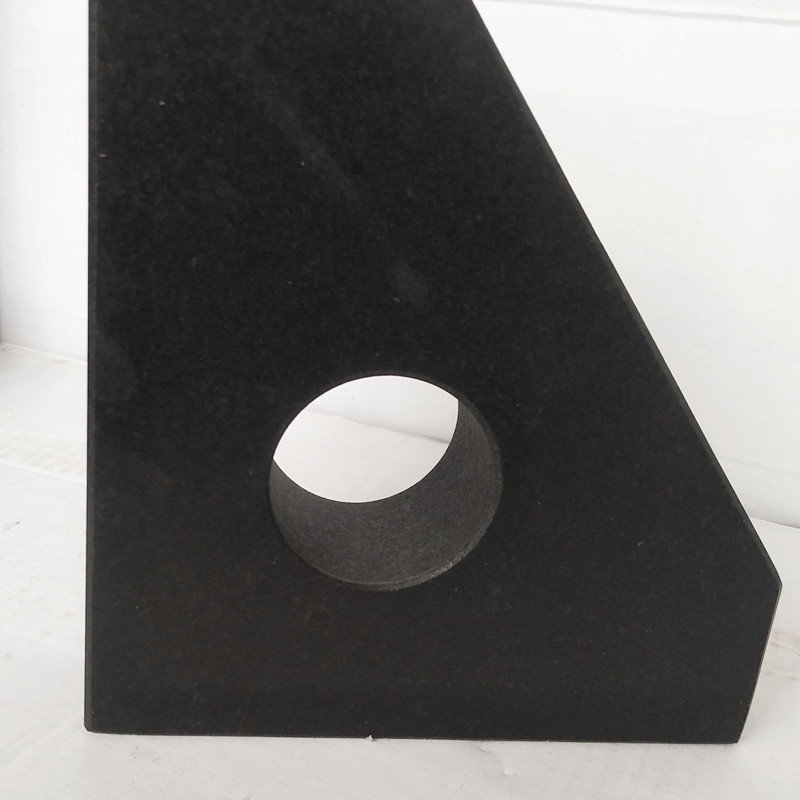
Versatile Magnetic Vee Block for Precision Workholding and Machining Applications
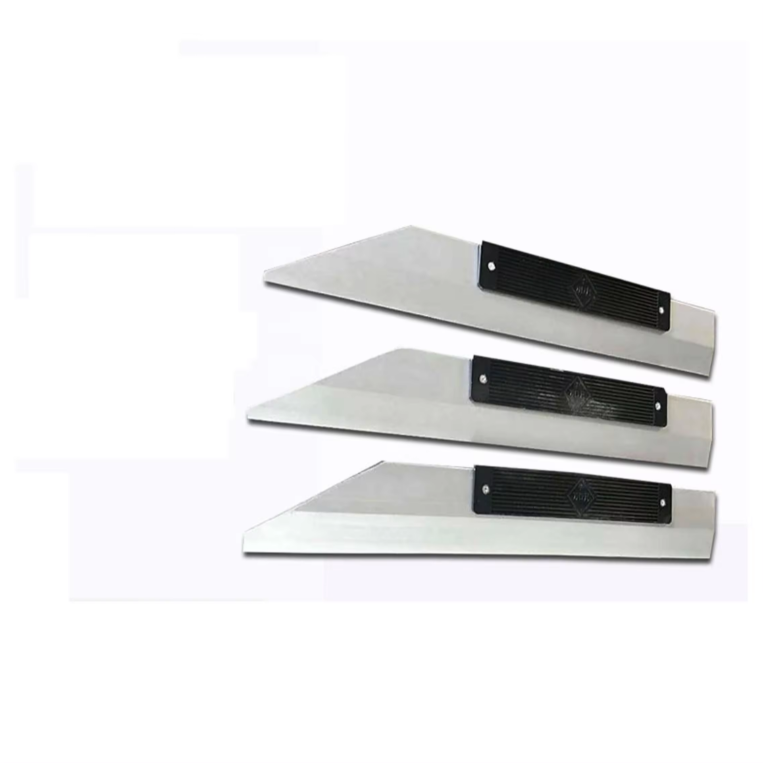
The Magnetic Vee Block A Versatile Tool for Precision Alignment In the realm of manufacturing and ma
Válvulas de compuerta y globo
Válvulas de compuerta y válvulas de globo Una comparación Las válvulas son componentes esenciales en
water main shut off valves
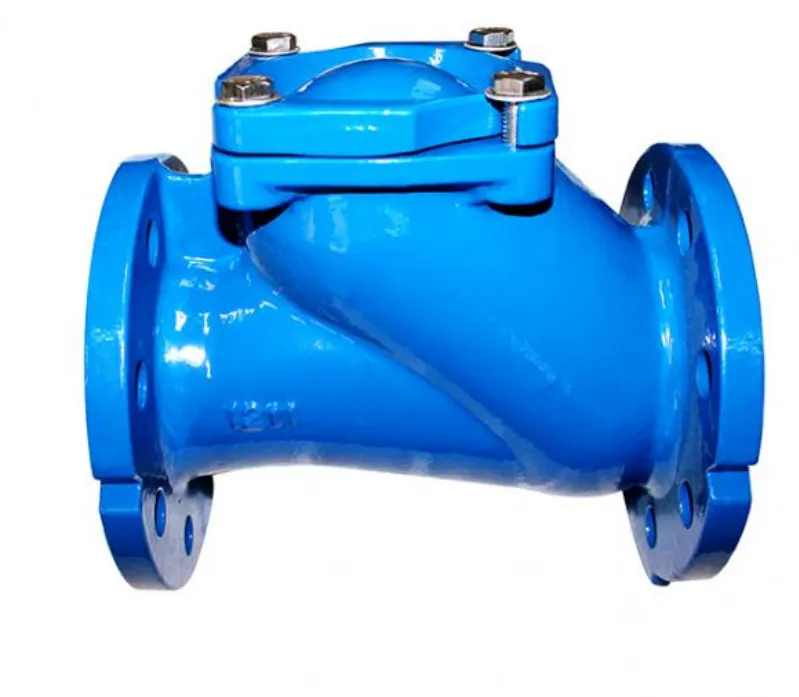
Water main shut off valves play a critical role in maintaining the health and efficiency of any resi
 English